THE STORY
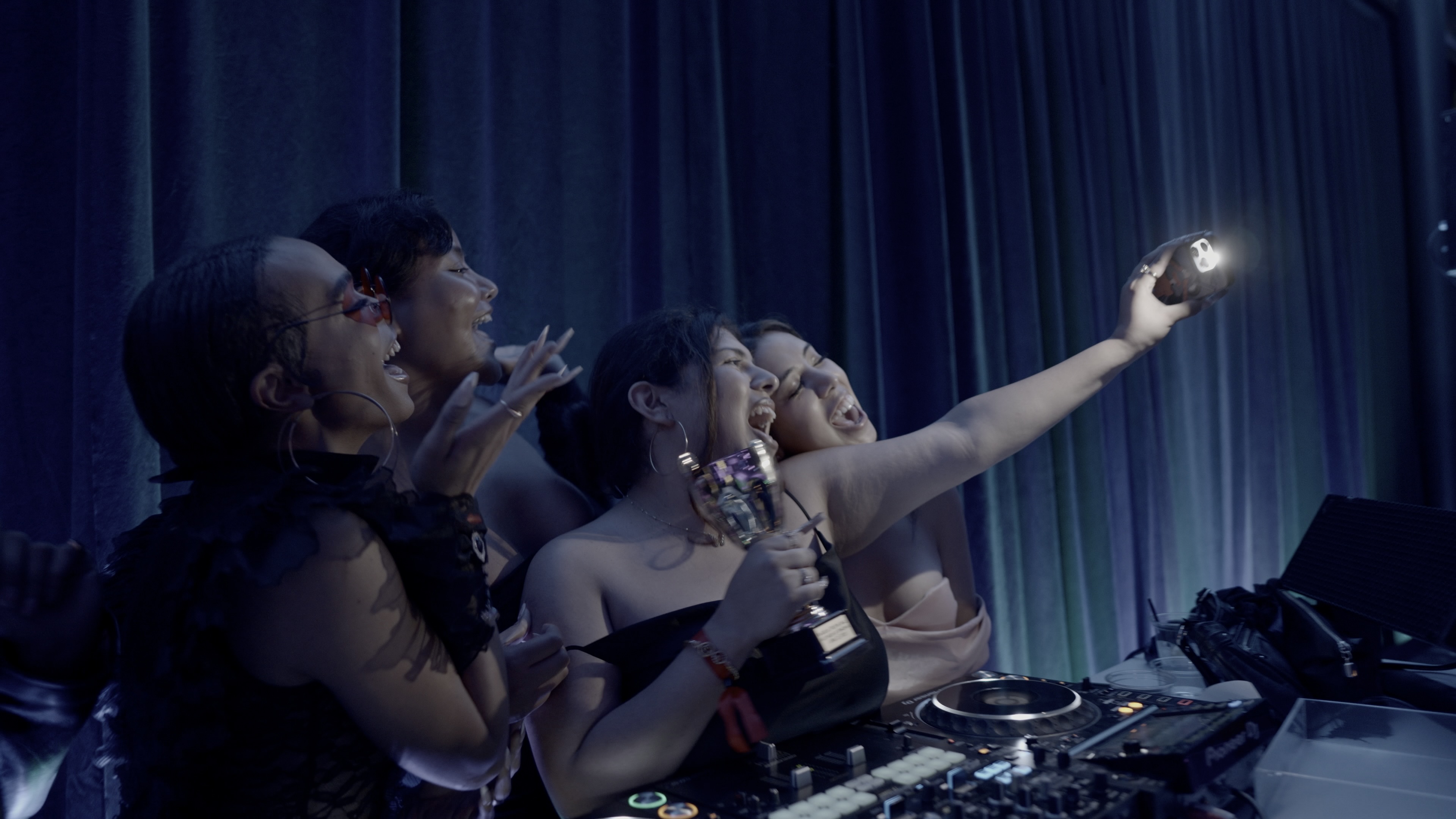
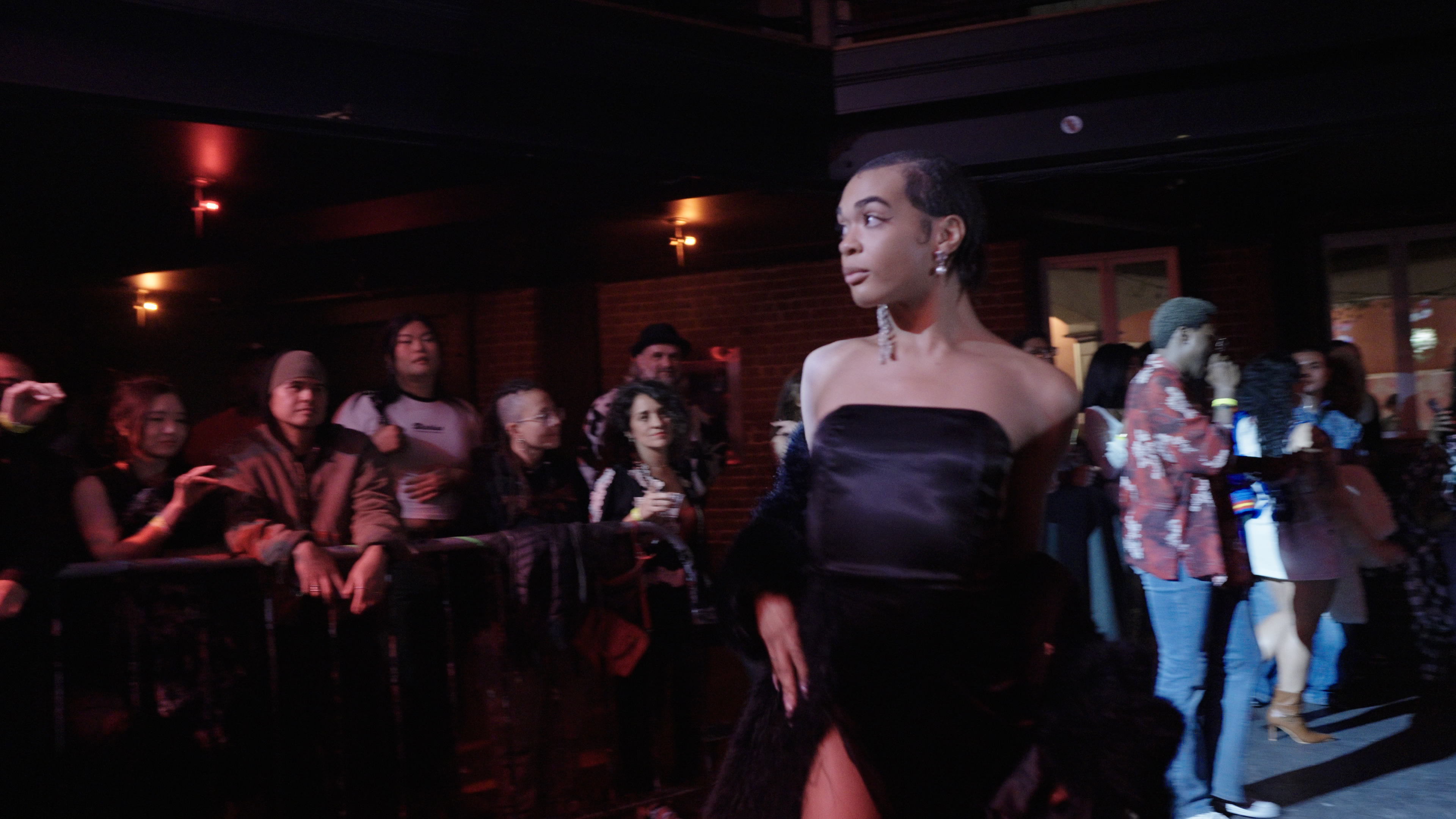
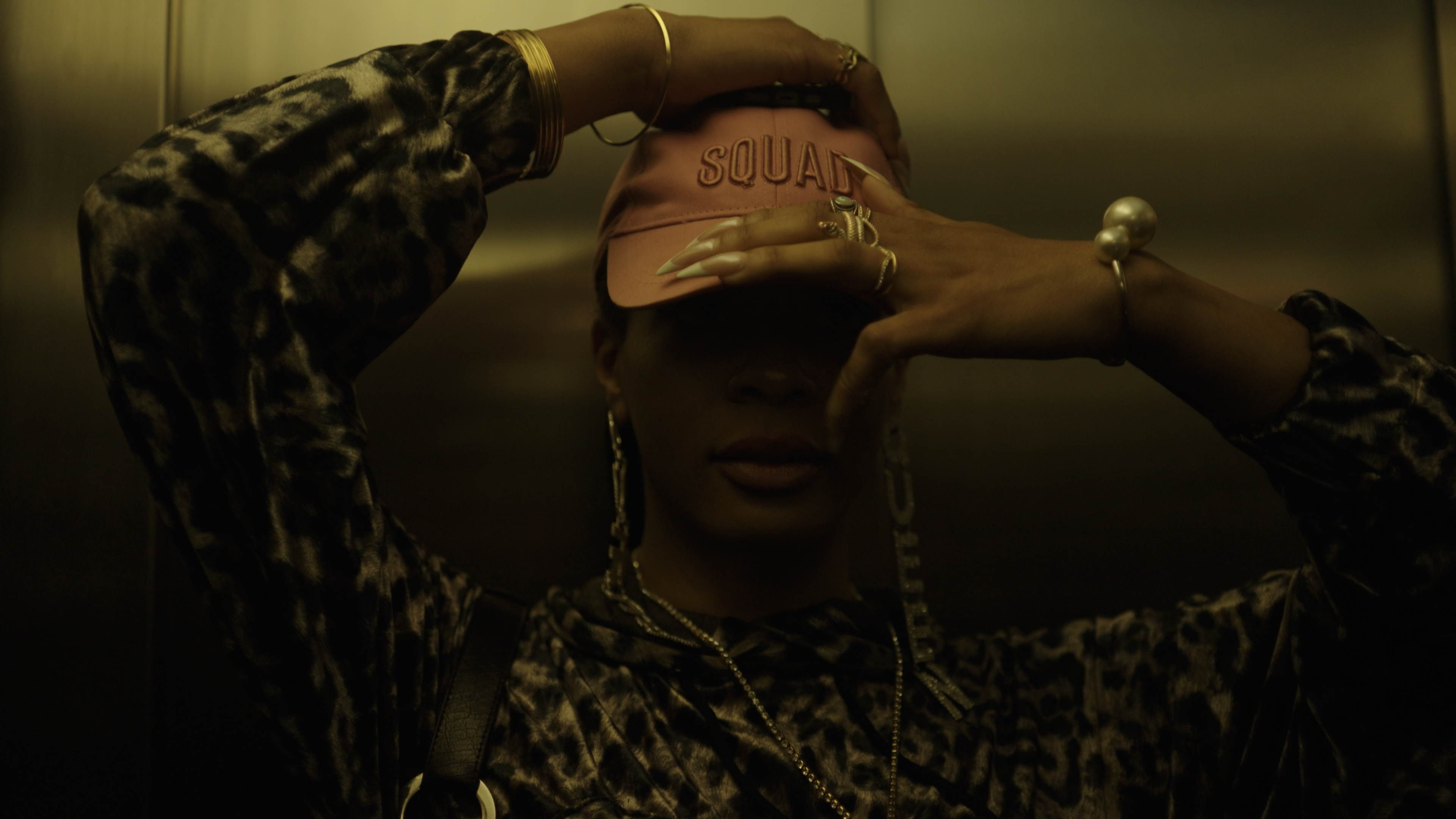
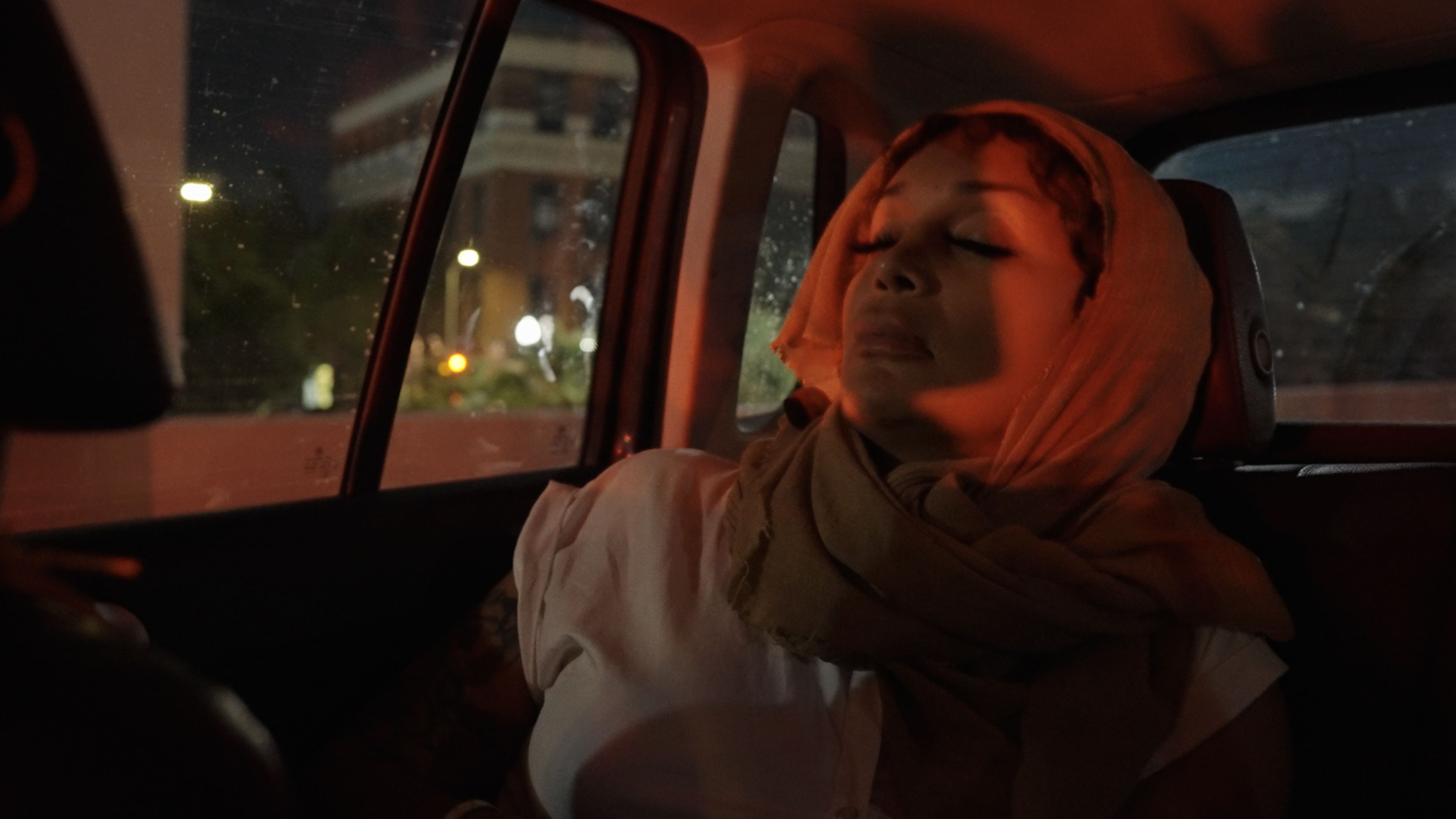
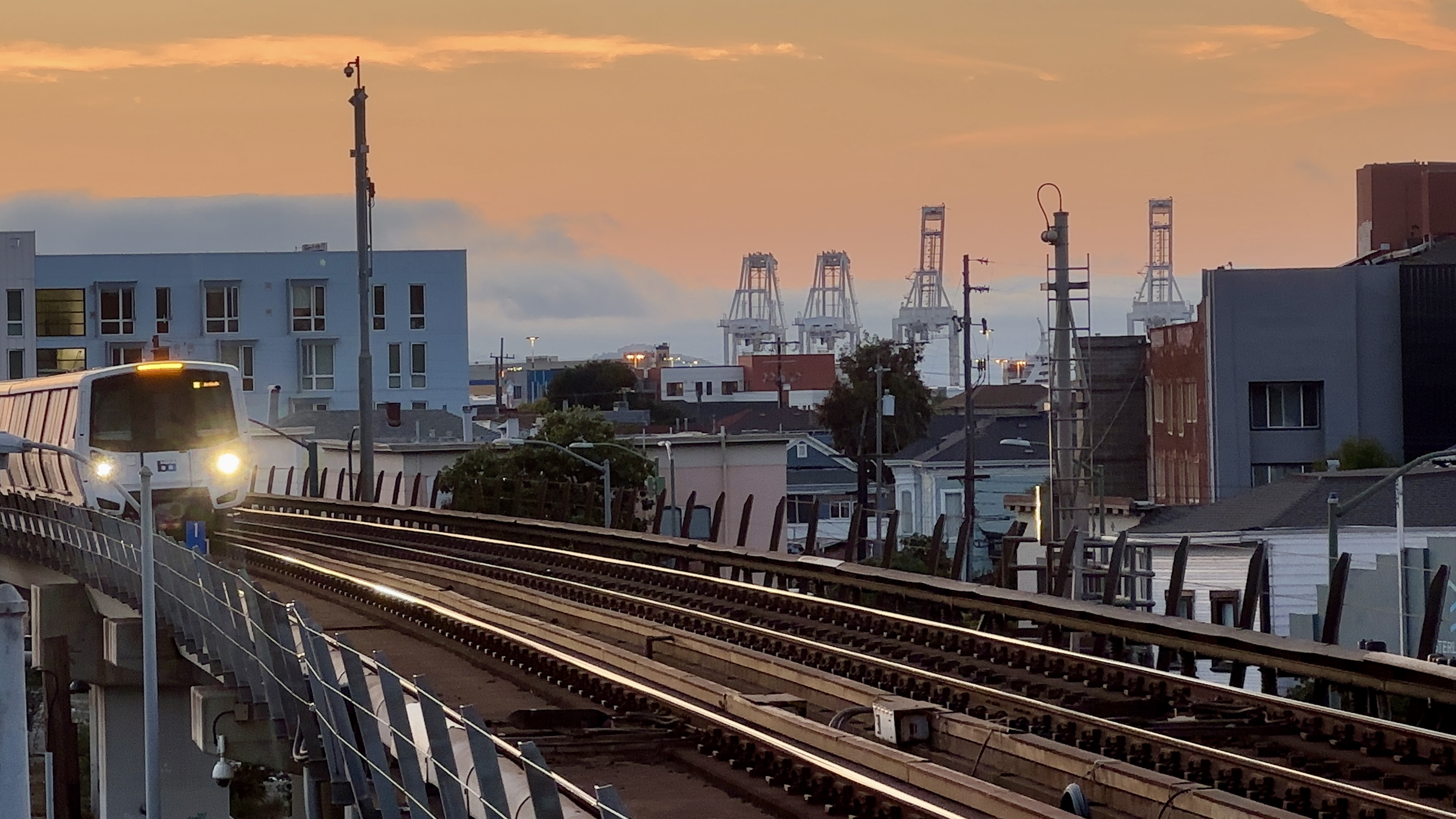
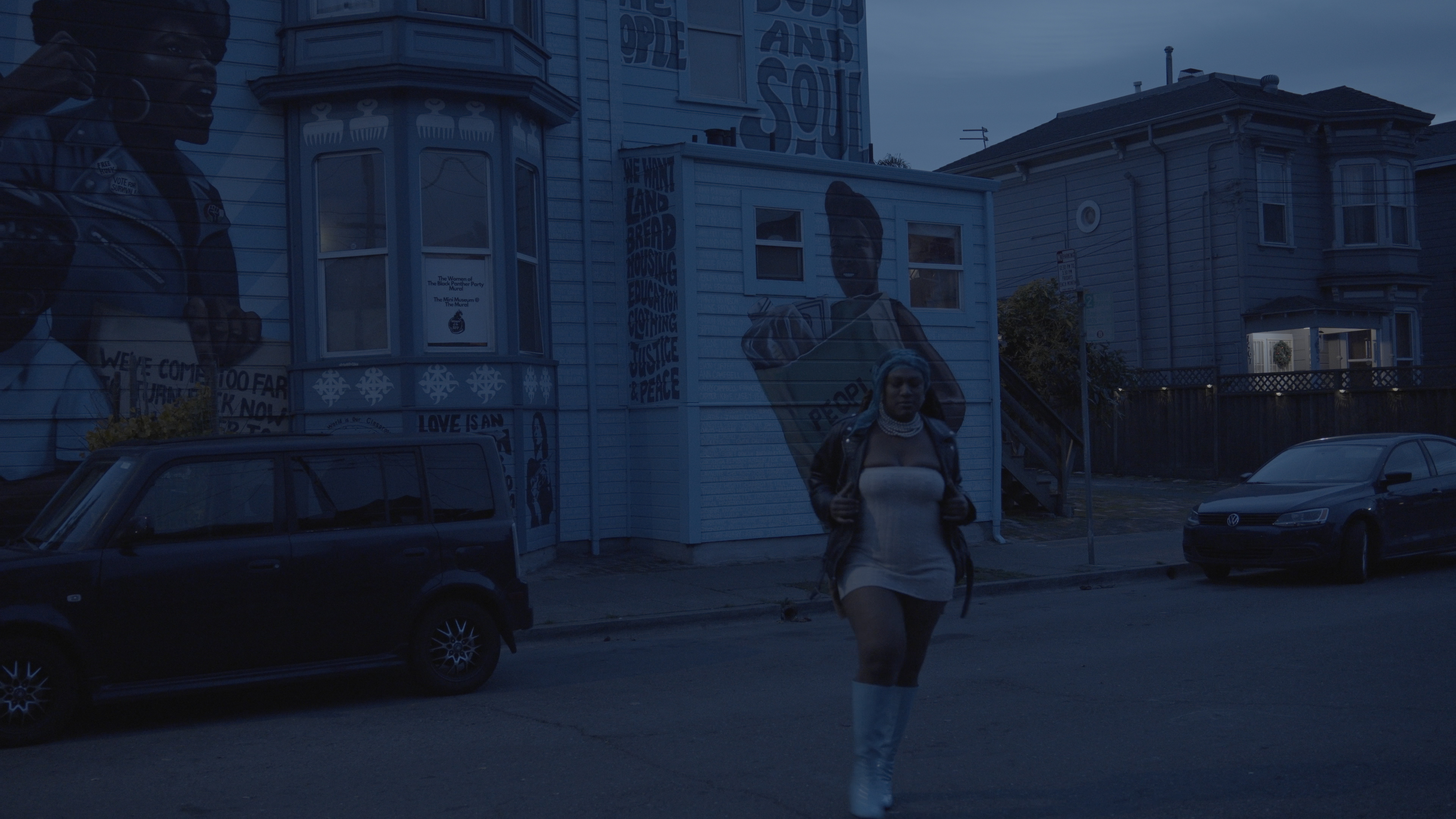
LOVERS LIKE US / TRADE follows four Oakland women of trans experience, Nikkita, Fiera, Avarii and Alora, through their love and sexual lives with ostensibly heterosexual men who desire them, using their stories as a lens to interrogate broader cultural questions about gender, masculinity and power.
Trade is a word women of trans experience made to name men who keep a heterosexual persona in public and seek them in private. Trade is also a trapped man. A lover boy who wants to love so bad, faced with so many societal pressures and barriers. That is the film’s definition and the film holds to it: the men are held to account without being thrown away.
Sometimes these relationships are tender, sustaining and real. Other times they are transactional, exploitative or violent. For women of trans experience, their identity is a daily, non-negotiable truth; in their lovers’ hands it can become something to hide, deny or fetishize.
Secrecy is not simply withheld information here. It is a severing, and it costs both people in the room.
Nikkita poses the question that haunts them all: why do we keep loving men who can only love us in secret? That question turns them from subjects into authors. The women commit to turning cameras, recording equipment and phones on these men and their contradictions, and craft the questions themselves.
The women carry the image and the men are given the soundscape. Each man chooses his own degree of exposure, down to having his words performed by another voice.
LOVERS LIKE US / TRADE is not a film about villains or victims. It does not seek to resolve the contradictions of secrecy and desire, but to illuminate them.